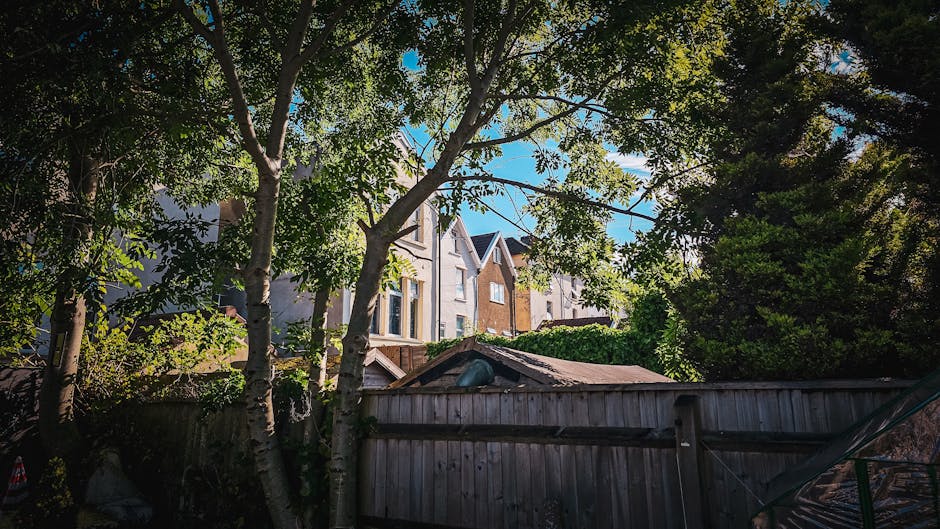
Cricklewood Broadway garden maintenance for terraced homes: a practical local guide
If you live in a terraced property near Cricklewood Broadway, you already know the garden can be a bit of a mixed blessing. Small enough to manage, yes. But also narrow, shared by sightlines, and often squeezed between bins, fences, steps, and not enough time. Cricklewood Broadway garden maintenance for terraced homes is really about making that space work properly without turning your weekends into a second job.
Done well, a terraced garden feels calm, tidy, and genuinely usable. Done badly, it becomes a tangle of overgrown edges, patchy lawn, slippery paving, and a corner you keep promising to deal with "next week". Truth be told, that next week can roll on for months. This guide walks through what maintenance involves, why it matters in terrace housing, and how to approach it in a way that is realistic, local, and low-stress.
Why Cricklewood Broadway garden maintenance for terraced homes Matters
Terraced homes have their own rhythm. Gardens are often compact, overlooked from neighbouring windows, and shaped by limited access. That means maintenance is not just about keeping things pretty. It is about preserving usable space, preventing avoidable damage, and making sure the garden doesn't quietly become a problem.
In a busy part of North West London, the outside space has to earn its keep. A small terrace garden might be the place for morning coffee, a place for children to play safely, a simple green backdrop to a kitchen extension, or a spot where you can still hear birds above the traffic hum from the Broadway. When it is maintained properly, even a modest plot feels surprisingly generous.
There is also a practical side. Overgrown hedges can block light. Damp, mossy paving becomes slippery. Untrimmed planting can crowd paths or shed debris into drains. And if you share rear access with neighbours, neglected gardens can become awkward very quickly. Nobody enjoys that conversation over the fence.
For many households, the simplest approach is a recurring maintenance plan rather than a one-off rescue. That is especially true where a terrace garden has mixed features such as turf, borders, shrubs, containers, a shed, or decking. If you are looking at a broader service picture, it can help to review the provider's services overview and pair that with ongoing garden maintenance rather than waiting for things to get out of hand.
How Cricklewood Broadway garden maintenance for terraced homes Works
Most terraced-home maintenance starts with a simple assessment. A good gardener will look at what is growing, what is failing, what is causing access issues, and what needs routine attention. The point is not to bulldoze everything. It is to create a workable plan.
In practice, the work often includes mowing, edging, pruning, hedge shaping, weeding, leaf clearance, debris removal, and minor tidying around paths or boundaries. Depending on the garden, there may also be seasonal planting, watering support, pressure-light cleaning of surfaces where appropriate, or shaping of shrubs to keep them from swallowing the whole space. Yes, plants can get a bit overexcited. Left alone, they absolutely will.
Terraced homes often benefit from a split approach:
- Routine tasks such as mowing, edging, and weeding every 1 to 4 weeks in growing season.
- Seasonal tasks such as pruning, leaf clearance, and cutback in spring and autumn.
- Periodic resets where a longer session restores the garden after a period of neglect.
Where space is very tight, the process may also include better layout thinking. That might mean keeping access paths clear, reducing clutter, or rebalancing planting so the garden feels wider. If your outside area needs more than tidy-up work, local options such as landscape gardening or broader landscaping can help reshape the space rather than simply maintain it.
Key Benefits and Practical Advantages
Good garden maintenance does more than make a terrace look smart from the back window. It changes how the space works day to day.
- Better use of limited space. In a terraced garden, every square metre matters. Tidy borders and clear lines make the garden feel larger.
- Lower risk of problems. Regular attention helps prevent build-up of weeds, slippery surfaces, dead growth, and blocked corners.
- Improved light and airflow. This is a big one in terrace housing, where a hedge or climbing plant can quickly dominate.
- Healthier plants. Routine pruning and feeding usually produce better structure and more consistent growth.
- Less work later. Small jobs done steadily are far easier than a full reset after six months of chaos.
There is also the lifestyle benefit. A maintained garden is simply easier to enjoy. You can step outside without mentally filing a list of jobs. You can hang washing, store bikes, or sit for ten quiet minutes without feeling judged by the weeds. Small victory, but a real one.
Where turf is part of the space, pair maintenance with regular lawn mowing so the lawn stays even and healthy rather than becoming thin at the edges and shaggy in the middle. If the garden has hedging or screening, hedge trimming is often the difference between a neat boundary and a light-blocking wall of green.
Who This Is For and When It Makes Sense
This type of maintenance suits a wide range of homeowners and tenants, but it is especially useful if you live in a terrace with limited side access, a small rear yard, or a garden that is visible to neighbours. If you have ever looked out after a rainy week and thought, "Right, I need to deal with that," you are exactly the kind of person this service helps.
It tends to make sense when:
- the garden is compact and needs smart, regular upkeep;
- you do not have time for weekly work but still want it under control;
- plants, hedges, or lawn areas are getting difficult to manage;
- you are preparing to sell, rent out, or photograph the property;
- you have recently moved in and inherited a garden that needs sorting;
- you want more usable outdoor space without a major redesign.
It is also helpful after seasonal weather swings. A wet spring can send weeds into overdrive, while autumn can bury a terrace garden in leaves and broken stems. In those moments, a one-off garden clearance may be the sensible reset before returning to routine maintenance.
Not every garden needs the same level of care. A tiny paved yard with a few pots may need tidying and weed control more than mowing. A deep terrace with planting beds may need more pruning and feeding. The right plan depends on the actual garden, not a generic template. That sounds obvious, but plenty of people get this wrong.
Step-by-Step Guidance
If you are trying to figure out how to manage a terraced garden near Cricklewood Broadway, this is the simplest way to approach it.
- Walk the space properly. Start at the house and move outward. Look for overgrowth, blocked access, broken edging, poor drainage, and dead planting.
- Separate essential jobs from nice-to-have jobs. Essential means safety, access, and plant health. Nice-to-have means cosmetic improvements and extra styling.
- Set the maintenance rhythm. For many terraced gardens, a lighter but regular schedule works better than waiting for big seasonal repairs.
- Tackle structure first. Trim hedges, remove dead growth, cut back shrubs, and re-establish the shape of the space.
- Clear the floor of the garden. Remove weeds, leaves, fallen branches, and clutter from paths, edges, and borders.
- Check the lawn or hard surfaces. Mow, edge, sweep, and deal with moss or debris where appropriate.
- Finish with edging and detail. These small touches make a terrace garden look properly cared for, not merely cleaned up.
- Review what needs recurring attention. If a hedge needs regular shaping or a lawn keeps thinning, note it now rather than rediscovering the problem later.
If the garden is more cluttered than expected, it may be worth combining maintenance with a more decisive tidy-up. A lot of terrace gardens benefit from a first pass that includes clearing old pots, broken fixtures, soil build-up, and neglected planting before routine care begins. It is much easier to maintain a garden that is already breathing a bit.
Expert Tips for Better Results
Here is the part that tends to save people time and money. Small decisions made early can prevent a lot of repeated hassle later.
- Keep paths and access routes clear. In terraced homes, the back garden is often reached through a narrow side passage or directly through the house. Don't let it become an obstacle course.
- Use restrained planting near boundaries. Aggressive plants can dominate a narrow garden faster than you would expect. Choose plants that suit the scale.
- Mulch where sensible. It helps suppress weeds and keep moisture in the soil, especially in raised beds and borders.
- Water deeply but less often. Shallow watering encourages weak roots. Better to water properly and less frequently, especially in dry spells.
- Prune for shape, not just size. Over-trimming can leave hedges and shrubs looking blunt and stressed. A lighter hand usually gives a better result.
- Think about sightlines. Terrace gardens look smaller when cluttered. A clear line from the door to the back boundary helps the whole space feel more open.
A useful rule of thumb: if the garden feels annoying to enter, it probably needs a reset. If it feels easy to use, you are already ahead. Simple as that.
Where access or taller vegetation creates safety concerns, it is better to use a properly insured provider with the right working methods. That is one reason many homeowners check insurance and safety before agreeing to more involved work.
Common Mistakes to Avoid
Most problems in terraced garden care are not dramatic. They are just the result of letting small things drift. A few weeks becomes a season. A season becomes a full-on rescue job. You know how it goes.
- Waiting until everything is overgrown. This makes the work slower and usually more expensive.
- Cutting hedges or shrubs too hard. Heavy cuts can spoil shape and harm growth, especially on established plants.
- Ignoring drainage issues. In terrace gardens, water can pool near walls or pathways and cause ongoing damp or moss.
- Using the wrong plants for the space. Fast-growing species can outgrow narrow gardens quickly.
- Forgetting seasonal change. What looks tidy in May can become a tangle by October.
- Mixing too many materials and features. Too much going on can make a small garden feel cramped and harder to maintain.
There is a sneaky one too: trying to maintain everything yourself without the right time, tools, or energy. It's admirable, of course. But sometimes the smarter move is simply getting help before the garden starts winning the argument.
Tools, Resources and Recommendations
You do not need a full shed of equipment to keep a terraced garden in shape, but the right basics make life a lot easier.
- Hand shears or secateurs for shaping small shrubs and tidying soft growth.
- A compact mower if the garden includes lawn, especially where access is tight.
- Stiff broom and leaf rake for paved spaces, patios, and autumn clearance.
- Weeding tools for borders, cracks, and edges.
- Gloves and sturdy footwear because terraced gardens often hide broken pots, sharp stems, and the odd mystery thing under a hedge.
- Compost bags or waste bins to keep green waste contained until it is removed or recycled.
For many households, the best resource is not a tool at all but a service plan. Regular visits can keep work manageable and prevent the garden from becoming a long weekend project every single time. If your garden needs a larger reset before maintenance can take hold, the team's garden clearance page is worth checking alongside ongoing care options.
It is also sensible to ask how green waste is handled. Responsible disposal matters, especially when you are removing cuttings, soil, or mixed garden debris. If sustainability is a priority for you, look for a provider that explains its approach clearly, such as through a recycling and sustainability commitment.
Law, Compliance, Standards, or Best Practice
Garden maintenance is not usually a heavily regulated area for the homeowner, but there are still sensible standards to follow. In the UK, safe working practices, sensible waste handling, and care around shared boundaries are all part of good practice. If work involves ladders, heavy cutting, power tools, or tree-related tasks, safety really matters.
For terraced homes, a few practical points stand out:
- Respect shared access and boundaries. If the garden backs onto neighbouring properties, be careful with cuttings, noise, and overhanging growth.
- Check permissions where relevant. If a tree is protected or work is likely to affect a boundary structure, it is worth pausing and checking before doing anything major.
- Use competent help for higher-risk work. Tall hedges, large trees, and awkward access are not the place for improvisation.
- Choose insured providers. This is basic, but often overlooked. Proper cover gives everyone more peace of mind.
When tree work is required, especially where branches are encroaching on a narrow terrace garden or shading a lot of light, it is better to discuss the options carefully. In some cases, tree lopping and removal may be part of the solution, but only where it is appropriate and justified. The same applies to any significant structural change. A cautious, proportionate approach is usually best.
It is also smart to work with a company that is open about how it handles payments, terms, and complaints. That is not glamorous, but it tells you a lot about professionalism. You can usually get a feel for this by reviewing payment and security, terms and conditions, and the complaints procedure. Not exciting reading, admittedly, but useful.
Options, Methods, or Comparison Table
Not every terrace garden needs the same approach. The right method depends on how much time you have, how much growth there is, and whether the space is mainly decorative, practical, or both.
| Method | Best for | Pros | Limitations |
|---|---|---|---|
| DIY weekly upkeep | Small, tidy gardens with light growth | Low cost, flexible, easy to fit around life | Can slip quickly if you miss a few weeks |
| Monthly professional maintenance | Busy households that still want consistency | Reliable, efficient, keeps standards high | Needs a regular budget |
| Seasonal refresh visits | Gardens that are usually manageable but need periodic help | Good balance between cost and support | Less effective if growth is fast or access is poor |
| Full clearance then maintenance | Overgrown terrace gardens or neglected plots | Creates a fresh start and clearer structure | More work up front, especially the first time |
For many Cricklewood Broadway terrace homes, the best answer is a hybrid one: a one-off tidy or clearance, followed by ongoing care. That gives you a clean starting point and reduces the chance of slipping back into the same cycle. Very ordinary advice, perhaps. But very effective.
Case Study or Real-World Example
Here is a realistic example based on the sort of garden many terrace homeowners recognise. A rear garden behind a mid-terrace property had a narrow lawn, a hedge along the back boundary, a paved path running down one side, and a couple of planting beds that had slowly turned into a weed patch. Nothing extreme. Just busy, a bit tired, and awkward to keep on top of.
The first visit focused on clearing the edges, cutting back the hedge, removing dead growth from the beds, and mowing the lawn properly rather than just shaving the top off. The path was swept, the borders were reset, and the garden was left with clear lines again. After that, smaller monthly visits kept the hedge in shape, the lawn even, and the borders under control.
The interesting part was not the dramatic before-and-after. It was how quickly the family began using the space again. Breakfast outside on a dry Sunday. A child's football rolling across a flat lawn without getting lost in rough grass. A chair left out without feeling like it was sitting in a jungle. Tiny things, really, but that's the point.
If the garden also needs improvements beyond maintenance, a provider with broader design and build capability can be useful. In some cases, small adjustments from landscape gardening or the addition of practical features such as decking services may make the space easier to live with and easier to maintain long term.
Practical Checklist
Use this quick checklist before, during, or after a maintenance visit. It keeps things grounded.
- Walk the whole garden, not just the visible section near the house.
- Check for blocked access, hidden weeds, and overgrown edges.
- Decide whether the garden needs routine care or a full clearance first.
- Trim hedges and shrubs enough to restore shape, but not so hard that they look damaged.
- Mow and edge the lawn if there is turf.
- Sweep paths, patios, and steps so the garden feels safe underfoot.
- Remove dead leaves, cuttings, and any clutter that makes the space feel cramped.
- Review drainage, moss, and any damp patches after wet weather.
- Note any trees, roots, or large branches that need professional attention.
- Set a realistic follow-up schedule so the work holds its shape.
Expert summary: terrace gardens stay easier when you treat them as living spaces, not just outdoor storage zones. A little structure, a little rhythm, and a bit of consistency go a long way.
Get a free quote today and see how much you can save.
Conclusion
Cricklewood Broadway garden maintenance for terraced homes is really about making a compact outdoor space feel calm, usable, and easy to live with. In a terrace, the garden is often small enough for details to matter and busy enough that neglect shows quickly. That is why routine care, thoughtful pruning, sensible clearance, and occasional resets make such a difference.
Whether your garden needs a light tidy, a proper catch-up, or a longer-term maintenance plan, the best results usually come from being honest about the starting point and realistic about the time you actually have. No drama. No perfectionism. Just steady, practical care that keeps the space on your side.
If you are comparing services or want to understand the provider a little better before booking, it can help to read about us and then make an informed next move. A well-kept terrace garden has a quiet kind of value. You feel it every time you open the back door.
Frequently Asked Questions
What does garden maintenance for a terraced home usually include?
It usually includes mowing, edging, weeding, pruning, hedge trimming, leaf clearance, and general tidying. Some gardens also need seasonal cutbacks, light planting help, or a one-off reset before regular upkeep begins.
How often should a terraced garden near Cricklewood Broadway be maintained?
That depends on the size of the space and how fast things grow, but many terrace gardens benefit from light attention every couple of weeks during the growing season and a more thorough visit each season.
Is a small terrace garden worth professional maintenance?
Yes, often more than people expect. Small gardens show neglect quickly, and professional care can keep them tidy without taking over your weekends. It is also a good way to keep access routes clear and avoid that "I'll do it later" spiral.
What is the difference between garden clearance and garden maintenance?
Garden clearance is usually a more intensive clean-up of overgrowth, debris, and neglected areas. Maintenance is the ongoing work that keeps the garden tidy after the initial reset. Many terrace gardens need both at different stages.
Can a terraced garden be maintained if access is tight?
Usually yes. Tight access is common in terraced homes, and a good gardener will plan around narrow side passages, shared paths, or awkward layouts. The key is having the right equipment and a sensible approach.
Do I need hedge trimming if my garden is small?
If you have hedges, screening shrubs, or climbing plants that are getting wide or tall, trimming is often essential. In small gardens, even a little overgrowth can block light and make the space feel much tighter.
What should I check before hiring someone for garden maintenance?
Look for clarity on scope, safety, insurance, payment terms, and how waste is handled. It also helps to check whether they offer the type of help your garden actually needs, rather than a one-size-fits-all service.
How can I keep a terraced garden looking tidy between visits?
Keep on top of the basics: sweep paths, remove weeds early, deadhead spent flowers, and don't let cuttings pile up. A five-minute weekly check is often enough to stop small jobs turning into bigger ones.
Is landscaping useful for a terraced home, or is maintenance enough?
If the garden is already working well, maintenance may be enough. If the layout feels cramped, awkward, or hard to care for, landscaping or landscape gardening can improve both appearance and practicality.
What should I do if the garden has become badly overgrown?
Start with a clearance or heavy tidy-up rather than trying to maintain it as-is. Once the garden is back under control, it is much easier to set a routine that keeps it there. That first step can feel daunting, but it gets easier fast.
Are there any safety concerns with garden maintenance in terraced homes?
Yes. Slippery paving, hidden debris, awkward access, and work near boundaries can all create issues if handled carelessly. For larger or higher-risk tasks, it is better to use competent, insured help and not improvise.
How do I know whether my garden needs maintenance or redesign?
If the space is generally fine but messy, maintenance is probably enough. If the layout itself causes repeated problems, such as poor access, low usability, or constant overgrowth, a redesign or landscaping approach may be more effective.